Gold Coast · Brisbane · Northern NSW Gold Coast · Brisbane · Northern NSW

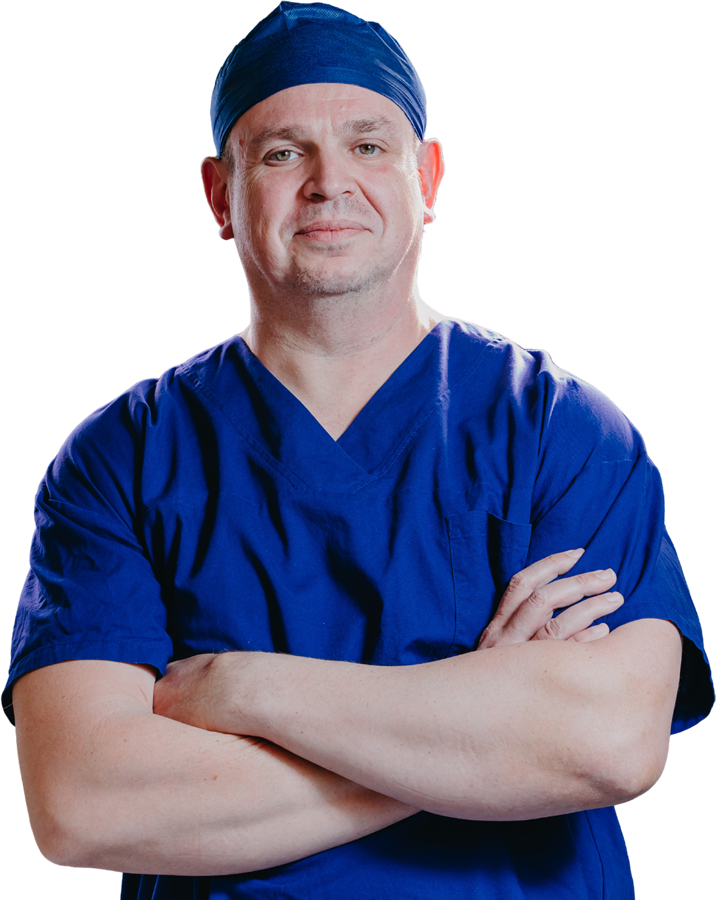
Professor Simon Platt

MB ChB · PGCert · FRCS · FRCS (Tr & Orth) · FRACS (Orth) · FAOrthA

Consultant Orthopaedic Surgeon specialising exclusively in foot and ankle surgery. Over 30 years in medicine, world-class expertise, and a patient-first approach to care.

In Medicine

30+ Years of Experience

Dr. Simon Platt

Orthopaedic Surgeon

90% Satisfying treatment

About Professor Platt About Professor Platt

“A surgeon who listens, explains, and operates - with skill earned over 30 years in medicine.”

Orthopaedic Foot & Ankle Surgeon – Gold Coast

Professor Simon Platt is a consultant orthopaedic surgeon who specialises exclusively in conditions of the foot and ankle. He provides expert surgical and non-surgical care to patients across the Gold Coast, Brisbane, and Northern New South Wales from his practice at Coast Foot and Ankle Surgery.

Qualifications and Training

Professor Platt graduated from the University of Bristol Medical School in the United Kingdom in 1993. After completing a year teaching anatomy at the University of Liverpool, he commenced broad-based surgical training before specialising in orthopaedics in 1999.


He gained Fellowship of the Royal College of Surgeons of England in Trauma and Orthopaedic Surgery (FRCS) in 2004, and was subsequently awarded Fellowship of the Royal Australasian College of Surgeons (FRACS) in Orthopaedic Surgery in 2019. He has been practising as an independent consultant foot and ankle orthopaedic surgeon since 2005.

Trusted by 50+ top companies

❈ Gold Coast University Hospital

❈ Professor, Griffith University

❈ President, Australian Foot & Ankle Society

❈ FRACS · FRCS · FAOrthA

❈ Active Researcher, $300k+ in Grants

❈ Gold Coast University Hospital

❈ Professor, Griffith University

❈ President, Australian Foot & Ankle Society

❈ FRACS · FRCS · FAOrthA

❈ Active Researcher, $300k+ in Grants

Conditions Treated Conditions Treated

Specialist Care for Foot and Ankle Conditions

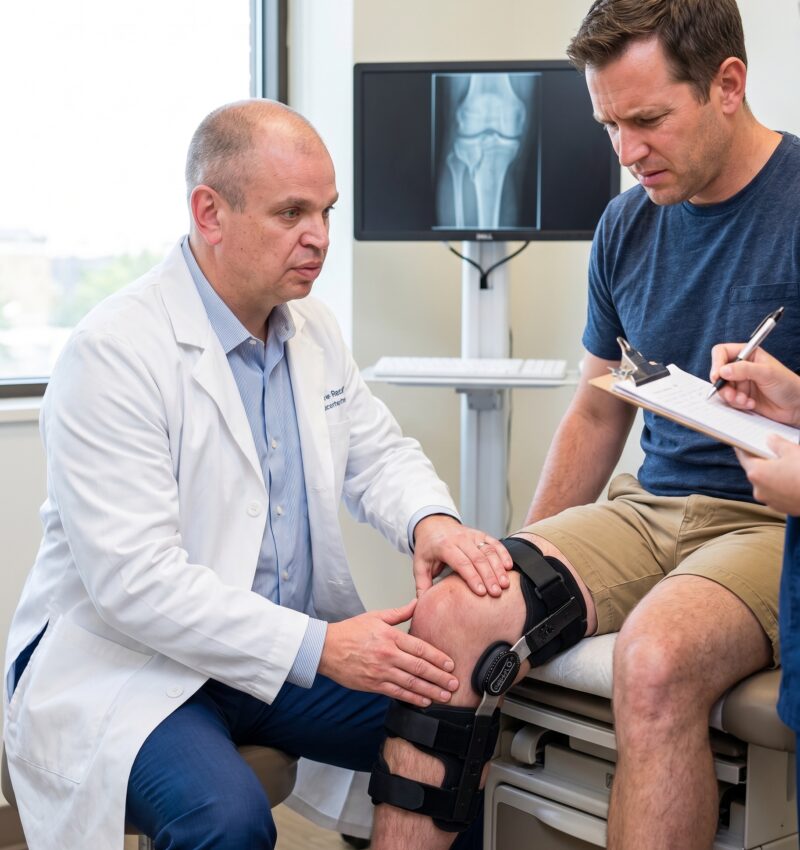
Professor Platt provides assessment and treatment for a wide range of foot and ankle conditions. Care may include non-surgical management, rehabilitation or surgery based on your diagnosis and individual needs.

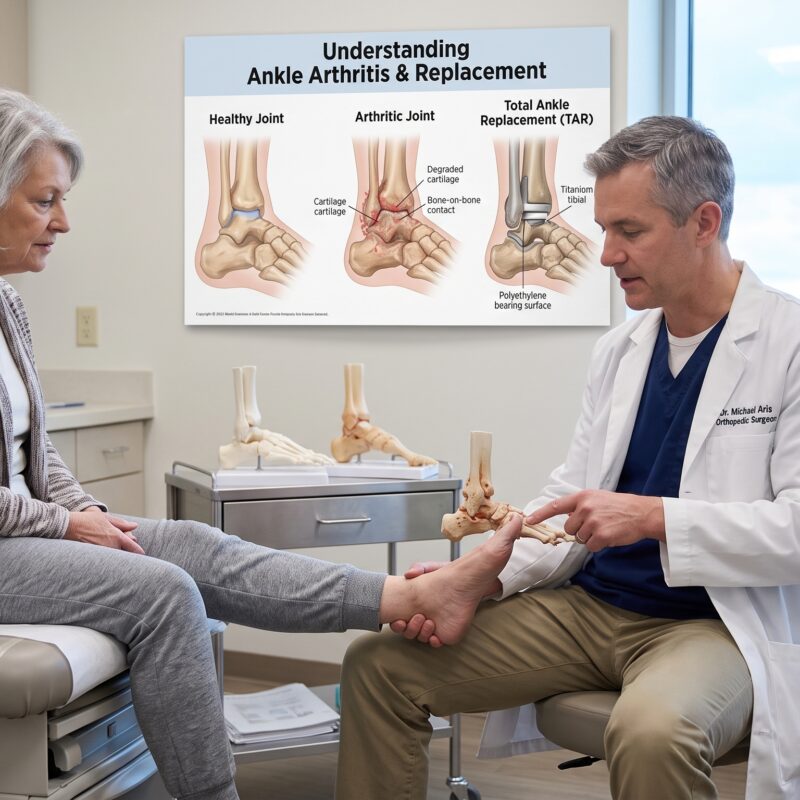
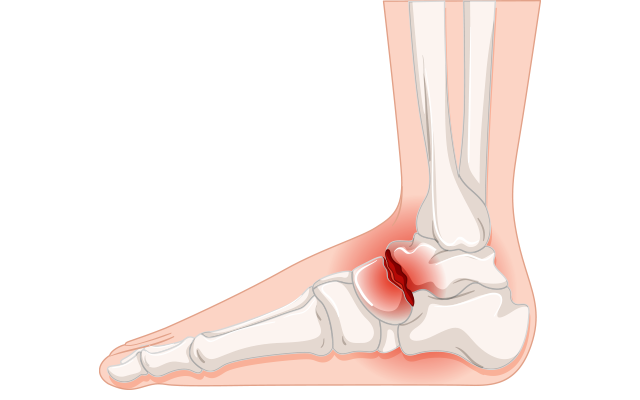
Ankle Fractures & Trauma
Assessment and treatment for ankle fractures, complex injuries and post-traumatic conditions affecting movement, stability and function.
Sports Injuries
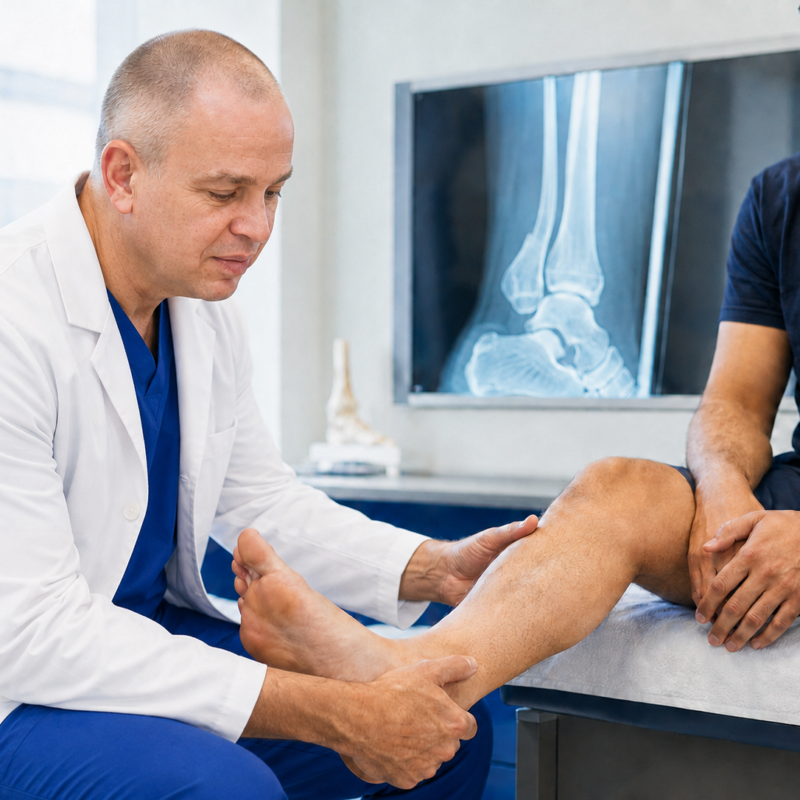
Sports Injuries
Specialist care for sporting injuries affecting the foot and ankle, including ligament damage, instability, fractures and tendon problems.
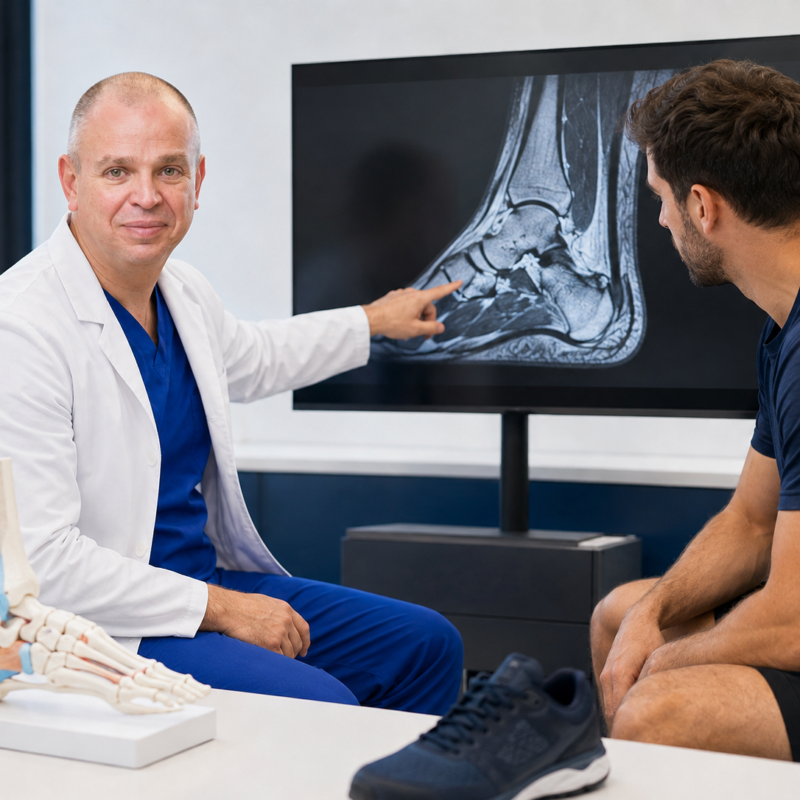
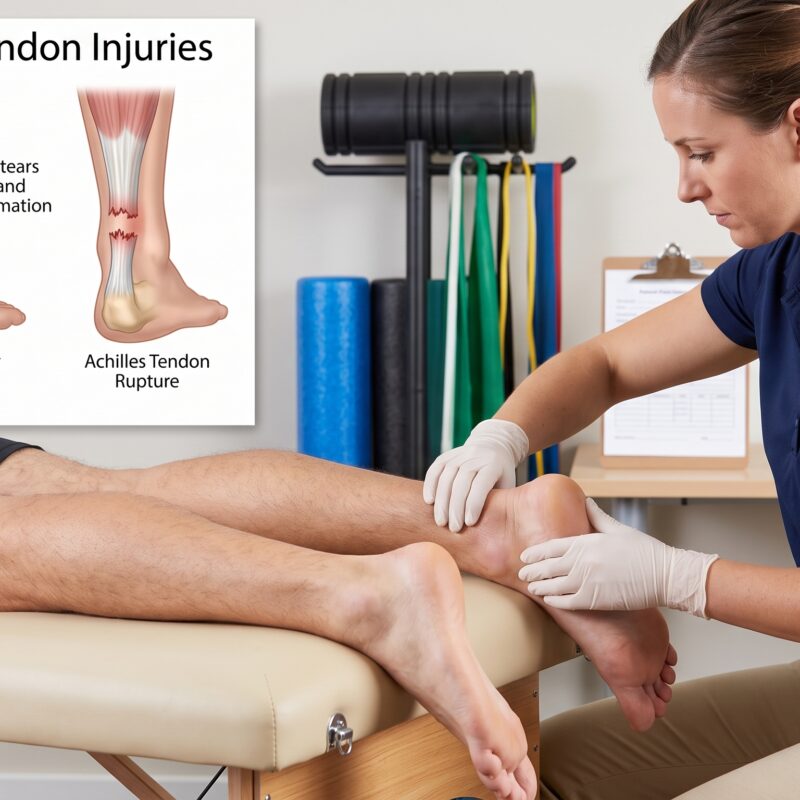
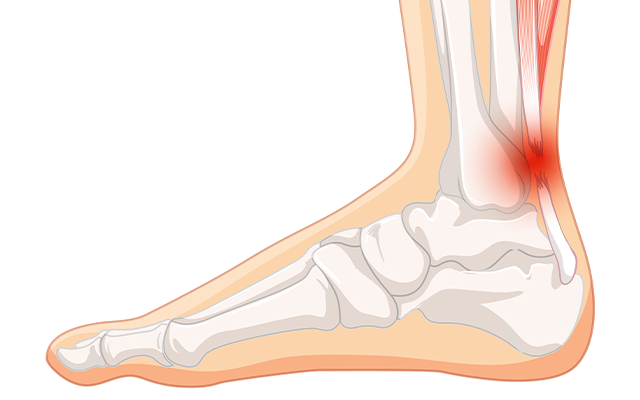
Achilles Tendon Injuries
Diagnosis and treatment for Achilles tendon pain, tears and ruptures, with surgical and non-surgical options considered.
Professional Leadership Professional Leadership

Leadership & Academic Roles

Professor Platt holds senior positions across clinical practice, university education, surgical training and professional leadership. His current roles include Professor at Griffith University, Senior Staff Specialist at Gold Coast University Hospital and President of the Australian Foot and Ankle Society. These appointments reflect his ongoing contribution to patient care, orthopaedic research and medical education.

President

Australian Orthopaedic Foot and Ankle Society
Aug 2025 – Present

Professor of Surgery

Griffith University School of Medicine & Dentistry
Jun 2024 – Present

Senior Staff Specialist

Gold Coast University Hospital
Apr 2016 – Present

International Board Member

Journal of Orthopaedic Surgery Foot & Ankle Science
May 2025 – Present

Executive Committee Member

Asia Pacific Orthopaedic Association, Foot & Ankle Council
Oct 2020 – Present

Member of the Court of Examiners

Royal College of Surgeons of England
Sep 2010 – Present

Call Center

07 5522 2026

Appointment Appointment

Make an Appointment Now!

Your health can’t wait. Book your appointment today and get timely access to our expert doctors, advanced facilities, and personalized care.

    Publications Publications

    All Publications

    Peer-reviewed journal articles, books, and conference proceedings.

    Preoperative ankle swelling and the effect on postoperative wound complications following ankle fracture surgery

    Silva AM, Franco H, Walsh TP, Hohuynh A, Platt S.

    Foot & Ankle Orthopaedics. 2025;10(3)

    doi: 10.1177/24730114251342252

    Acute Achilles tendon rupture while flipping a car: a case report

    Brimm D, Keogh J, Sterling G, Platt S.

    Current Sports Medicine Reports. 2025;24(5):104–105

    doi: 10.1249/JSR.0000000000001247

    Ligamentous injuries in stable ankle fractures: an MRI-based study

    Karanja AN, Ho-Huynh A, Walsh T, Platt SR.

    Foot & Ankle Orthopaedics. 2025;10(1)

    doi: 10.1177/24730114251328694

    Podiatric clinical triage in a foot and ankle orthopaedic clinic: a randomised trial

    Walsh TP, Swalwell C, Merlo GB, Wearing SC, Jacob W, Doherty D, Vandermost M, Platt S.

    Journal of Evaluation in Clinical Practice. 2025;31:e14249

    doi: 10.1111/jep.14249

    Locally delivered antibiotics in fracture-related infection

    Mills H, Donnelly L, Platt S.

    Cureus. 2024;16(11):e73210

    doi: 10.7759/cureus.73210

    I just want to get it done” — a mixed-methods study on how people undergoing hallux valgus surgery perceive risk

    Batista KM, Robertson AP, Tippett V, et al.

    Discovery Psychology. 2024;4:168

    doi: 10.1007/s44202-024-00281-9

    Foot pain as first presenting symptom of renal cell carcinoma, due to metastatic lesion in medial cuneiform

    Kleimeyer C, Stoddart S, Platt S, Buchan CA.

    iRADIOLOGY. 2024;2(6):603–608

    The epidemiology of skateboarding injuries: a 10-year review at a major Australian centre

    Quinn J, Singh M, Bennetto J, Platt S.

    Cureus. 2024;16(3):e55624

    doi: 10.7759/cureus.55624

    “I'd never have that operation again” — a mixed-methods study on how patients react to adverse outcomes following foot and ankle surgery

    Abdalla I, Robertson AP, Tippett V, Walsh TP, Platt SR.

    Journal of Foot & Ankle Research. 2022;15(1):85

    doi: 10.1186/s13047-022-00590-z

    Pain catastrophising, body mass index and depressive symptoms are associated with pain severity in tertiary referral orthopaedic foot/ankle patients

    Holt M, Swalwell CL, Silveira GH, Tippett V, Walsh TP, Platt SR.

    Journal of Foot & Ankle Research. 2022;15(1):32

    The epidemiology of surfing injuries in a major Australian centre — a ten year clinical audit

    Quinn J, Salmon L, Ngo D, Taylor F, Platt S.

    Injury. 2022;53(6):1887–1892

    doi: 10.1016/j.injury.2022.03.045

    Three orthopaedic operations, over 1,000 randomised controlled trials, in over 100,000 patients: what have we learnt?

    Matar HE, Platt SR, Bloch BV, Board TN, Porter ML, Cameron HU, James PJ.

    Bone & Joint Research. 2022;11(1):23–25

    Defining a safe zone for percutaneous screw fixation of posterior malleolar fractures

    Clarke T, Whitworth N, Platt S.

    Journal of Foot & Ankle Surgery. 2021;60(5):929–934

    doi: 10.1053/j.jfas.2020.10.013

    A bibliometric analysis of four major foot and ankle surgery journals

    Frazer PM, Pastore G, McGarry AK, Walsh TP, Platt SR.

    Journal of Foot & Ankle Surgery. 2021

    doi: 10.1053/j.jfas.2021.01.001

    Overview of randomised controlled trials in hallux valgus surgery

    Matar HE, Platt SR.

    Foot & Ankle Surgery. 2021;27(4):351–356

    doi: 10.1016/j.fas.2020.04.013

    A ten-year retrospective study investigating the rate of venous thromboembolism in patients who require immobilisation in a total contact lower limb cast

    Tonge XN, Widnall JC, Jackson G, Platt S.

    The Bone & Joint Journal. 2019;101-B(6):691–694

    doi: 10.1302/0301-620X.101B6.BJJ-2018-1356.R1

    Pocket Tutor Orthopaedics

    Blucher N, Platt S.

    Published March 2017

    The doctors were incredibly caring and professional. They took the time to explain every step of my treatment clearly, making me feel comfortable and confident. I couldn’t have asked for better, more compassionate care.

    5 *

    John Doe

    Director

    From the moment I walked in, I felt completely at ease. The staff was attentive, the facilities were spotless, and the treatment I received was exceptional. Truly a wonderful experience that exceeded all my expectations.

    4 *

    Mellissa

    Doe Analyst

    I had been struggling with kidney issues for years, but their nephrology team provided outstanding care. Their advanced technology and personalized treatment plan have significantly improved my health and overall quality of life.

    3 *

    Paul Flavius

    Coordinator
    Patient Resources Patient Resources

    Patient Information

    Clear, plain-language information about common foot and ankle conditions, available treatment options, preparing for appointments and what to expect throughout your care with Professor Platt.

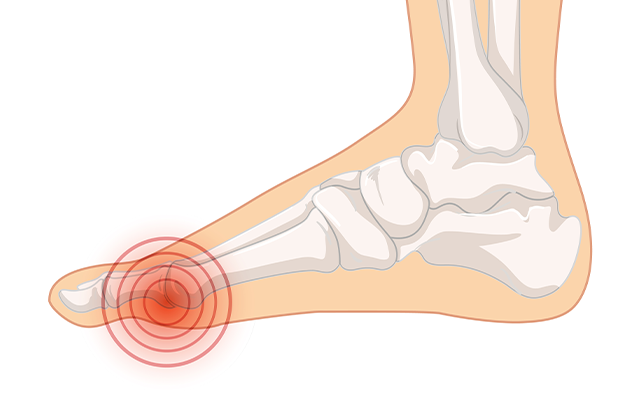
    A bunion is a bony prominence that forms at the base of the big toe when the bones of the forefoot move out of alignment. The big toe is pushed toward the smaller toes and the joint at the base of the big toe protrudes outward.

    Bunions can cause pain, swelling, and difficulty walking. Over time, arthritis may develop in the affected joint. Wearing poorly fitting shoes can worsen the deformity, but is not always the root cause.

    Common Symptoms

    • A bulging bump at the base of the big toe
    • Pain and swelling around the big toe joint
    • Restricted movement of the big toe
    • Corns or calluses where the first and second toes overlap
    • Difficulty finding comfortable footwear

    Treatment

    Not all bunions require surgery. Non-surgical treatments include wider footwear, pads, physiotherapy, and orthotics. Where conservative measures fail, Professor Platt performs a range of bunion correcting procedures including the Scarf osteotomy – a technique he has extensively researched and published on.

    Chronic ankle instability is a condition characterised by a recurring giving way of the outer (lateral) side of the ankle. It most commonly develops following an ankle sprain that has not healed properly or has been rehabilitated inadequately.

    When you sprain your ankle, the ligaments that support the joint can be stretched or torn. In some people, these ligaments do not heal to their original strength and length, resulting in an ankle that feels loose or unstable during walking, running, or on uneven surfaces.

    Common Symptoms

    • Repeated turning or rolling of the ankle
    • Persistent discomfort and swelling
    • A “wobbly” or unstable feeling when walking
    • Tenderness along the outer ankle
    • Pain that worsens on uneven ground or during sport

    Treatment

    Treatment typically begins with physiotherapy and bracing. Where this fails, surgical reconstruction of the lateral ankle ligaments (Broström procedure) can restore stability with excellent outcomes. Professor Platt has published widely on ankle instability and associated chondral lesions.

    Research insight: Professor Platt’s published research has examined the relationship between chronic lateral ankle instability and impingement lesions found at arthroscopy, providing important guidance for surgical planning.

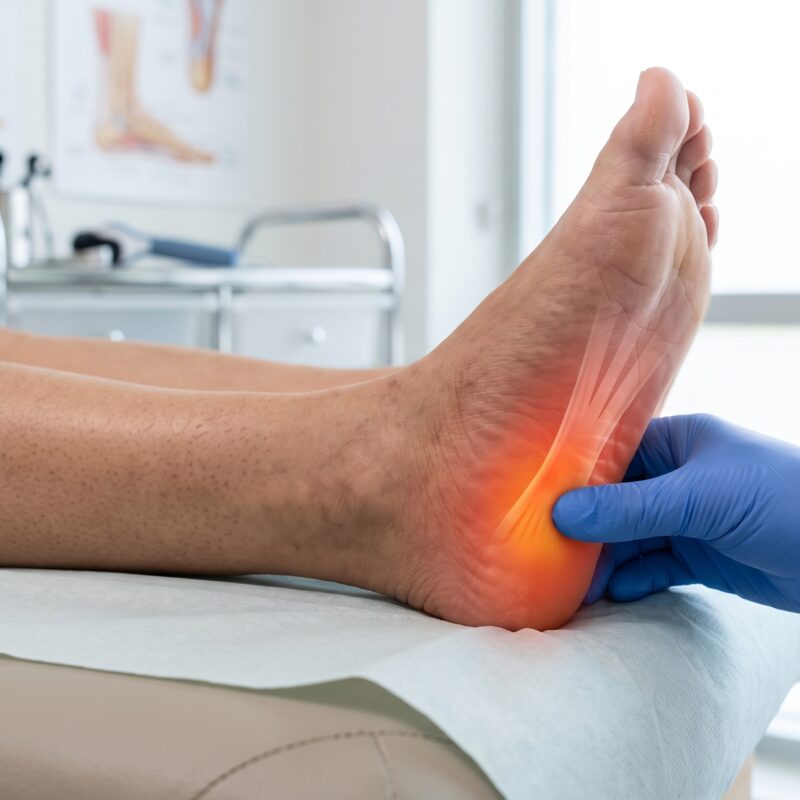
    Plantar fasciitis is the most common cause of heel pain in adults. It involves inflammation of the plantar fascia – a thick band of tissue that runs across the bottom of your foot and connects your heel bone to your toes.

    The condition is especially common in runners, people who are overweight, and those who wear shoes with inadequate support. Typically, the pain is worst with the first steps in the morning or after periods of rest.

    Common Symptoms

    • Sharp stabbing pain in the bottom of the heel
    • Pain worst with the first steps of the morning
    • Discomfort that returns after long periods of standing
    • Tenderness along the inner edge of the heel

    Treatment

    Most cases respond well to conservative care: stretching, supportive footwear, orthotics, and targeted physiotherapy. Persistent cases may benefit from shockwave therapy, corticosteroid injection, or – rarely – surgical release.

    The Achilles tendon is the largest and strongest tendon in the body, connecting the calf muscles to the heel bone. It enables walking, running, and jumping. Injuries range from tendinopathy (chronic degeneration) to partial and complete rupture.

    Achilles tendinopathy typically presents as pain and stiffness in the tendon that worsens with activity. Rupture is a sudden, complete tear – often felt as a “snap” or kick to the back of the leg, leaving the person unable to push off from the foot.


    Common Symptoms

    • Pain and stiffness along the back of the leg near the heel
    • Swelling or thickening in the tendon
    • Sudden sharp pain and inability to push off (rupture)
    • Tenderness to touch along the tendon

    Treatment

    Management of Achilles conditions depends on the diagnosis. Tendinopathy is usually managed non-operatively. For acute rupture, Professor Platt will discuss both operative and non-operative management and help you choose the pathway that suits your lifestyle and goals.

    Book an Appointment Book an Appointment

    Book a Consultation with Professor Simon Platt

    Arrange a consultation for specialist assessment of your foot or ankle condition. Professor Platt will discuss your symptoms, diagnosis and suitable surgical or non-surgical treatment options.

    Latest News Latest News

    Blog & Articles

    Expert insights on foot and ankle health from Professor Simon Platt. Access clear information about common conditions, available treatments and surgical care. Learn more about maintaining mobility and managing foot and ankle concerns.